Records and administration · 4 min read
A record is much more than a folder
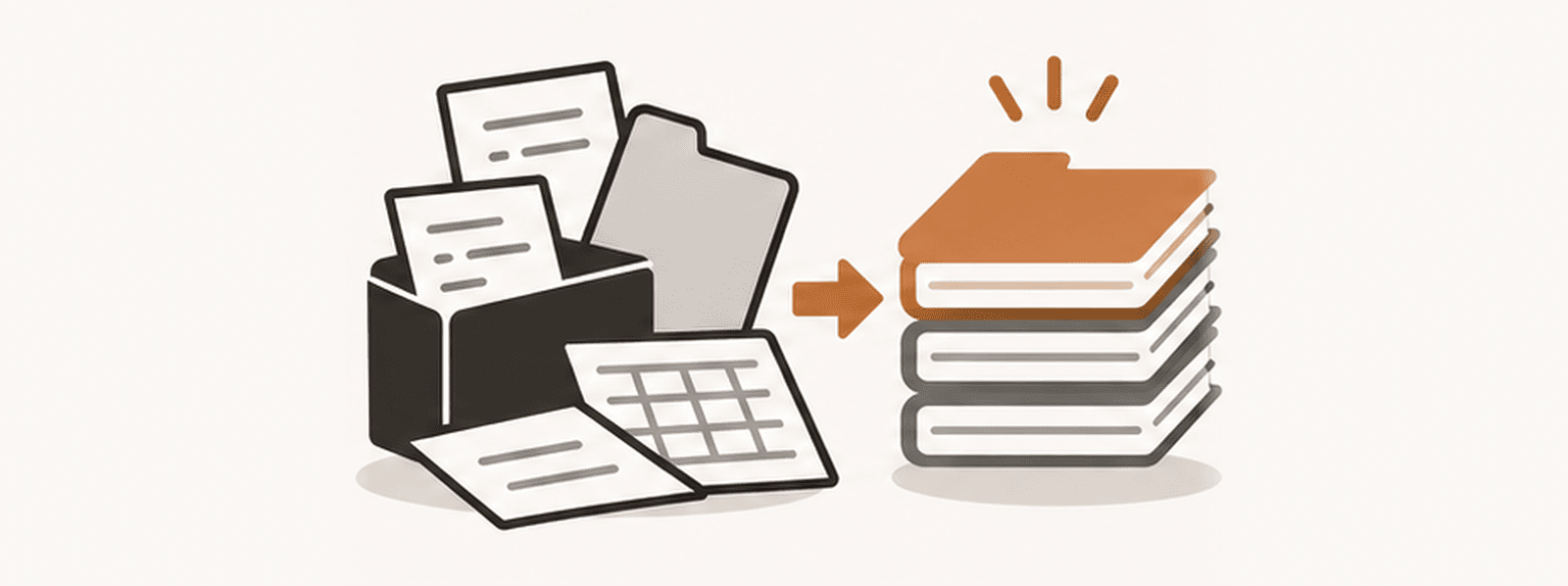
Storing documents is the easy part. A shared folder solves it. The hard part is everything that happens around a record: who handles it, which stage it is in, what is missing, who approved and what changed. That does not fit in a folder or a spreadsheet.
An administrative system coordinates that work: information, documents, people and rules in one place. These are the six questions it must be able to answer about any record, at any time.
01What do we know about this customer, case or project?
Today: the details are in a sheet, the documents in folders and what happened, in emails and messages. Putting the full picture together takes half an hour and two phone calls.
With a system: one record brings together details, documents, history and pending items. It is found in seconds, by name, date or reference number, from a phone too.
02Where does it stand and who has it?
Today: to know the status of a matter, you have to ask the person handling it.
With a system: every record has a stage and an owner. When it changes hands, that is recorded and the system notifies whoever is next. What is running late shows up before it becomes a problem.
03Who approved what?
Today: approvals are requested by message or by word of mouth, and later nobody can prove who said yes.
With a system: whatever needs sign-off follows a flow. It reaches the person who must approve, their decision is recorded, and only then does it move on.
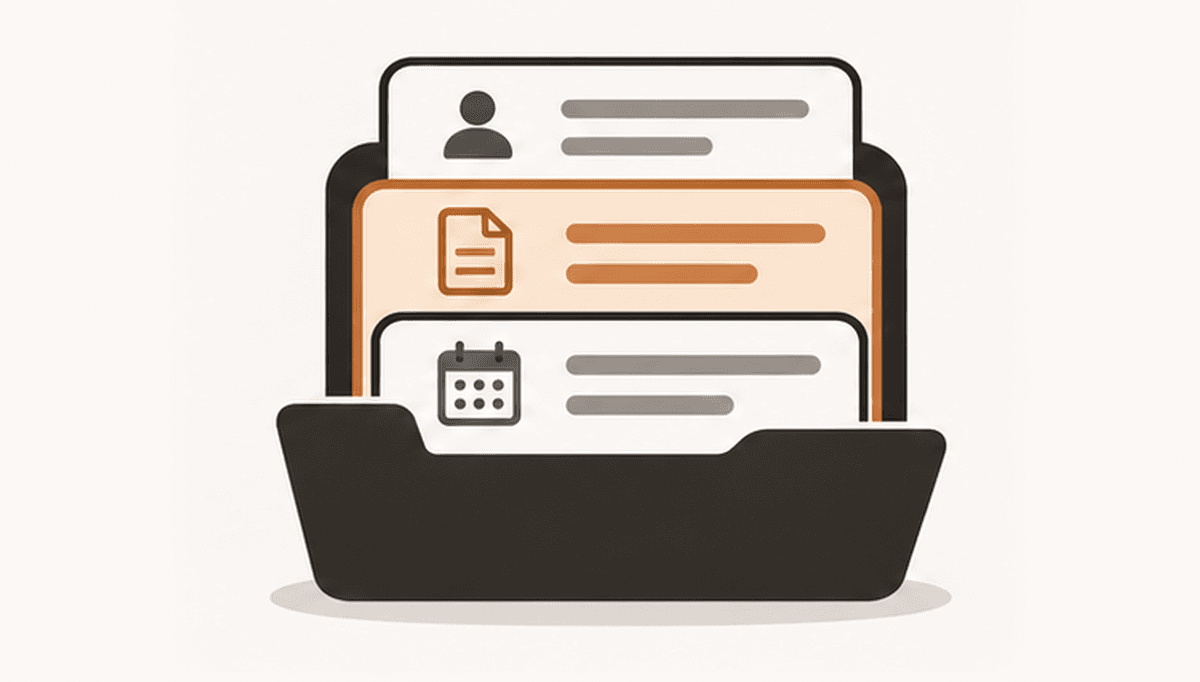
04Which documents does it produce?
Today: every contract, letter or report is put together by hand on a copy of the last one, with the risk of leaving another customer’s details in it.
With a system: documents are generated from templates with the record’s own details, stored with their versions and linked to the case.
05Who can see it and who can change it?
Today: whoever has the file sees everything and can change everything.
With a system: each person signs in with their own user and sees what their role allows. When someone leaves the team, their access is removed and the information stays.
06What changed, and when?
Today: a detail shows up different and nobody knows who changed it or why.
With a system: every change is kept in the history, with a date and a person. And with the information in order come the reports: how many cases there are per stage, how long each one takes and where they get stuck.
Why a folder or a sheet is not enough
With few records and one or two people, a well-organized folder is enough. It stops being enough when several people work on the same records and there are steps, approvals or sensitive information involved. A folder and a sheet store what someone puts in them. A system applies the rules of your operation: it asks for what is missing, notifies whoever is next, stops what has not been approved, protects what is sensitive and backs everything up without anyone having to remember.
Three things you can check this week
- 01How long does it take you to gather everything about a customer or a case: their details, their documents and the last thing that happened?
- 02Can you tell which stage a matter is in without asking the person handling it?
- 03Can you prove who approved or changed something last month?
The ones you cannot answer are the best place to start.
Where to start
You do not need to digitize the whole archive. You start with the type of record that is looked up most, capture new ones properly from day one, and bring in the older ones as they are used. If you already use tools that work, we first look at how to integrate them.
If you want to know how organized your operation is, assess it in nine questions. If you would rather talk it through, book a 15-minute call.
Free, no commitment.